China Top Pilates Barrels Guide for Fitness Enthusiasts?
In the world of fitness, Pilates Barrels have emerged as a vital tool for enthusiasts seeking to enhance their practice. These unique pieces of equipment focus on flexibility, strength, and core stability. Many instructors emphasize their importance in achieving a balanced workout. Using Pilates Barrels can improve posture and support spinal alignment, making them essential for holistic fitness routines.
However, mastering the use of Pilates Barrels requires dedication and practice. Many beginners struggle to integrate them into their sessions. It is common to face challenges with technique and coordination at first. This reflection underscores the need for guidance from experienced instructors. A strong foundation in Pilates is crucial for maximizing the benefits of these barrels.
In this guide, we will explore the best practices for using Pilates Barrels effectively. We will cover tips, types of barrels, and their benefits. Cultivating expertise in this area can significantly transform your fitness journey. Dive in to discover how to elevate your workouts and deepen your connection with Pilates.
Introduction to Pilates Barrels: History and Purpose
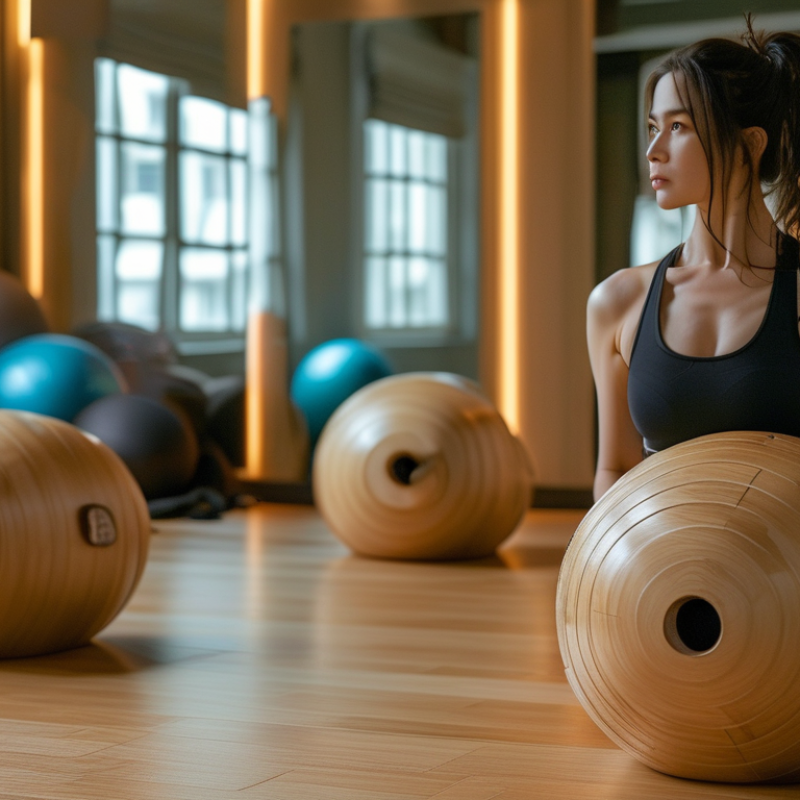
Pilates barrels have a rich history that dates back to the development of Pilates itself. Invented in the early 20th century by Joseph Pilates, these barrels were designed to enhance flexibility, strength, and body awareness. They help users build core strength while promoting proper alignment. Today, they remain a vital part of many Pilates studios, appealing to fitness enthusiasts seeking new ways to challenge their bodies.
The purpose of Pilates barrels is multifaceted. They assist in the development of a balanced physique by targeting various muscle groups. Users can perform exercises that stretch and strengthen simultaneously. However, navigating the barrel requires attention and practice. Novices may struggle with technique at first, leading to misalignment or discomfort. Recognizing this, instructors often emphasize the importance of gradual progression and mindful movement. Reflecting on one’s individual challenges can lead to growth and improved practice.
Usage of Different Pilates Barrels Among Fitness Enthusiasts
Types of Pilates Barrels: A Comprehensive Overview
Pilates barrels are invaluable equipment for fitness enthusiasts. They enhance flexibility and core strength. Different types cater to varied needs. This guide explores the three main types of Pilates barrels.
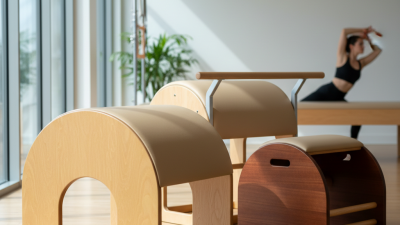
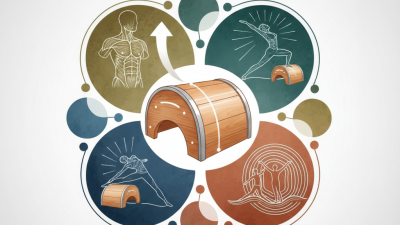
The first type is the classic Pilates barrel. It has a curved surface and supports various exercises. This barrel improves spinal alignment and helps with posture. Many find this style helps with deep stretching. However, it may feel intimidating for beginners. Starting slowly is crucial.
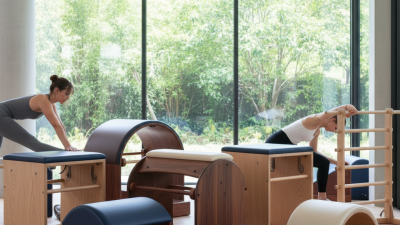
The second variant is the ladder barrel. It features a ladder and a barrel together, offering versatility. Users can tackle various movements. This barrel works the back, arms, and legs. Some find adjusting to this apparatus a challenge. It requires focused attention to form. Lastly, the small barrel provides a compact option. It is just as effective for core workouts. This type is excellent for those seeking a manageable setup. The downside? It may not suit all exercise routines.
Choosing the right barrel depends on individual goals. Practitioners should consider their fitness levels. Reflecting on personal comfort with each type can aid in selection.
China Top Pilates Barrels Guide for Fitness Enthusiasts
| Type of Pilates Barrel |
Dimensions (L x W x H) |
Material |
Weight Capacity |
Usage Level |
| Pilates Spine Corrector |
32 x 15 x 10 inches |
Wood & Foam |
300 lbs |
Beginner to Intermediate |
| Pilates Arc Barrel |
42 x 17 x 12 inches |
Plywood & Vinyl |
250 lbs |
Beginner to Advanced |
| Pilates Large Barrel |
50 x 24 x 24 inches |
Birch Wood |
350 lbs |
Advanced |
| Pilates Mini Barrel |
25 x 15 x 10 inches |
Foam & Vinyl |
200 lbs |
Beginner |
| Pilates Barrel with Handles |
36 x 20 x 15 inches |
MDF & Upholstery |
300 lbs |
Intermediate |
Choosing the Right Pilates Barrel for Your Fitness Goals
Choosing the right Pilates barrel can significantly impact your fitness journey. A Pilates barrel is versatile, helping improve flexibility, strength, and core stability. When selecting one, consider your fitness level. Beginners may need a barrel with more support, while advanced practitioners can opt for a more challenging design.
Pay attention to your specific fitness goals. If you aim to enhance your flexibility, look for a barrel that offers various height adjustments. For core strengthening, choose one that engages multiple muscle groups effectively. It's crucial to assess the barrel’s materials and build quality. A sturdy construction ensures safety during workouts.
Reflect on your experiences with other fitness equipment. Did those items meet your expectations? Use this insight to guide your choice. Many enthusiasts find trial and error helpful in discovering what works best for them. Surround yourself with knowledgeable trainers who can provide reliable advice. Their expertise can help you choose a barrel tailored to your goals and current abilities.
Safety Tips and Best Practices for Using Pilates Barrels
When using Pilates barrels, safety must come first. These can be amazing tools for enhancing flexibility and core strength. However, improper use can lead to injuries. According to industry reports, around 25% of Pilates practitioners experience some form of injury yearly. Awareness and safety practices can reduce this significantly.
Always warm up your muscles before starting any Pilates session. A tight muscle is more prone to strains. Check your barrel for stability. An unstable barrel can cause falls or slips, leading to potential injuries. Use a yoga mat underneath for added grip. Here’s a tip: focus on your core during exercises. This stabilization helps protect your lower back.
Be cautious when incorporating new movements. Beginners should start with basic exercises before progressing to advanced routines. It’s important to listen to your body’s signals. If you feel pain, stop immediately. Monitor your posture closely; misalignment can lead to long-term issues. Remember, while Pilates barrels can be effective, mastery requires time and patience.
Incorporating Pilates Barrels into Your Workout Routine
Pilates barrels are versatile tools that enhance your workout routine. They add depth to your exercises, improving strength and flexibility. Incorporating barrels can transform your sessions, making them more dynamic and engaging. These tools are designed to challenge your core stability and promote balance.
Tips: Start with basic exercises. Familiarize yourself with the barrel's shape and size. Gradually progress to more complex movements. Listen to your body, and don’t rush into advanced techniques. It’s crucial to maintain proper form. Misalignment can lead to injuries. Take time to adapt to the equipment.
As you integrate barrels into your workout, keep your goals clear. Set realistic expectations. Not every exercise will feel comfortable at first. Allow room for mistakes and adjustments. Reflect on your technique after each session. This practice can lead to improved performance over time. Be patient with yourself, and embrace the learning journey.



 1Durch die gruppenweite Einführung und Harmonisierung unseres integrierten Managementsystems (IMS) werden alle bestehenden Unternehmens-, Qualitäts-, Umwelt- und Energiepolitiken durch diese Unternehmenspolitik ersetzt. Der Slogan „Textil hat Zukunft – auch in De