How to Choose the Best Pilates Bed for Your Home Workout?
Choosing the right Pilates bed is essential for an effective home workout. According to recent reports, the global Pilates equipment market is projected to grow by 6.9% annually, reaching a value of $300 million by 2025. This surge underscores the demand for high-quality equipment tailored for personal use.
A Pilates bed, or reformer, enhances your workout regimen, offering versatility for all fitness levels. It allows for a range of exercises, targeting strength, flexibility, and balance. However, not all machines are created equal. With various brands and models available, selecting the right one can feel overwhelming. Critically evaluating features like durability, size, and adjustability is vital.
While some may opt for lower-priced options, investing in a robust Pilates bed pays off in the long run. The right bed supports your fitness journey and minimizes the risk of injury. Therefore, take the time to reflect on your specific needs and space constraints before heading to the store. A thoughtful choice will lead to a satisfying workout experience.
Understanding the Different Types of Pilates Beds Available
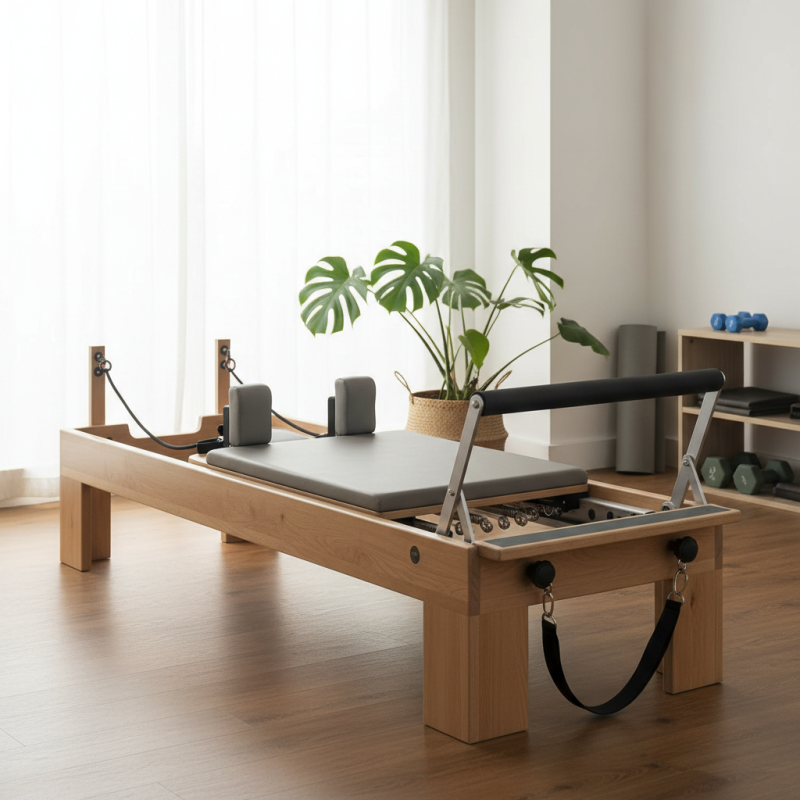
When selecting a Pilates bed for home workouts, you should understand the various types available. Reformer beds are among the most popular options. They offer versatility with adjustable springs and various attachments. This allows different exercises to target multiple muscle groups effectively. The traditional wooden reformer is sturdy but can be bulky, while newer, lighter models may be easier to store.
Another type is the Cadillac bed, which adds a frame and a variety of attachments. This design allows for more advanced movements. However, the size and complexity can overwhelm beginners. A tower bed combines features from reformers and cadillacs. It’s compact, making it suitable for smaller spaces. Each type has its advantages and disadvantages, which can be daunting when trying to choose.
Consider your workout goals and space limitations. A sturdy reformer may support heavy use but require more room. Alternatively, a tower bed can still offer resistance training while taking up less space. Think about whether you'll need progressions over time. Some beds may not support advanced moves as easily. It’s essential to reflect on your commitment and space. Choose a bed that fits not just your current needs, but your potential growth in practice.
How to Choose the Best Pilates Bed for Your Home Workout? - Understanding the Different Types of Pilates Beds Available
| Pilates Bed Type |
Adjustability |
Space Requirement |
Price Range |
Ideal For |
| Reformer |
Highly adjustable |
Medium to large |
$800 - $3000 |
All levels |
| Cadillac |
Highly adjustable |
Large |
$1500 - $4000 |
Advanced practitioners |
| Tower |
Moderately adjustable |
Medium |
$600 - $2500 |
Intermediate users |
| Combo Chair |
Moderately adjustable |
Small |
$500 - $1500 |
Beginners to intermediate |
| Mini Reformer |
Limited adjustability |
Compact |
$300 - $800 |
Home users with limited space |
Key Features to Consider When Selecting a Pilates Bed
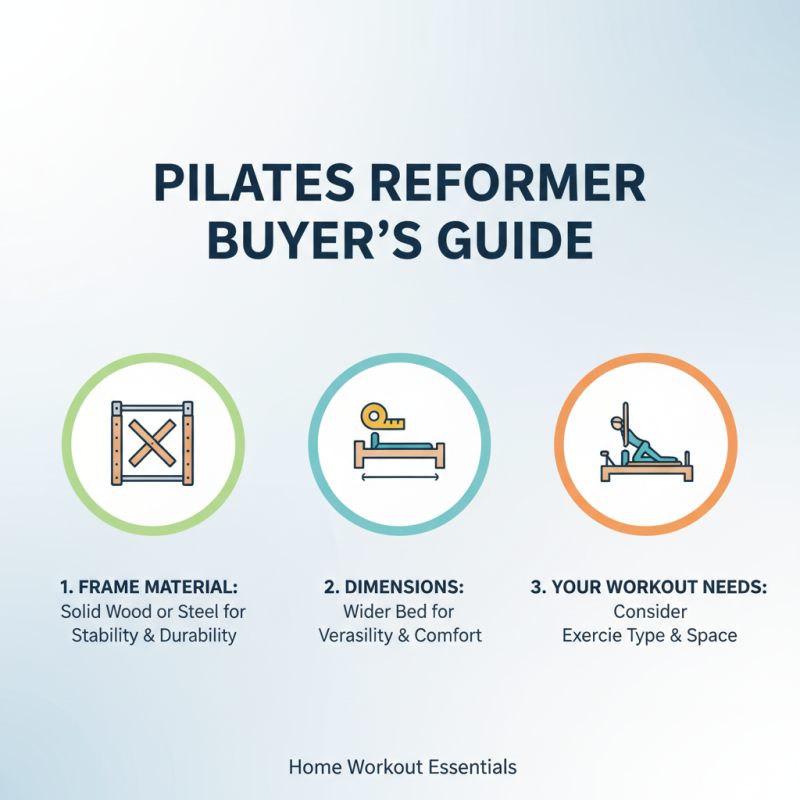
Choosing the right Pilates bed for your home workout can be overwhelming. Several key features should guide your decision. The frame material is crucial. A sturdy, durable bed ensures stability during exercises. Look for beds with a solid wooden or steel frame. Consider the dimensions as well. A wider bed can provide more versatility for various workouts.
Adjustability is another important factor. Beds with multiple resistance springs allow for a customized workout. This flexibility is vital for yoga and strength training routines. Also, think about the padding. Good quality foam provides comfort during long sessions. It’s essential to feel supported while exercising.
Lastly, check for safety features. Non-slip feet prevent accidents. Additionally, a well-balanced bed reduces the risk of tipping. Researching user reviews can provide insight into durability and ease of use. Remember, it's okay to feel uncertain. Testing out a bed before purchasing can alleviate doubts. Engage with fellow Pilates enthusiasts to learn from their experiences. This approach enhances your confidence in selecting the best Pilates bed for your needs.
Setting a Budget: How Much to Spend on a Pilates Bed
Setting a budget for a Pilates bed is crucial for your home workout journey. Prices can vary widely, from a few hundred dollars to over a thousand. Consider your use frequency and needs when deciding what to spend. A basic reformer may suffice for casual workouts. However, serious practitioners might need something more durable and versatile.
Before making a purchase, research the materials and features that matter most to you. Look for beds with adjustable springs and sturdy frames. Sometimes, a higher price tag means better construction and longevity. Think about whether added features, like leg lifts or a padded carriage, are necessary for you. While it’s easy to get drawn into enticing options, reflect on what truly enhances your practice.
Don't rush the decision. Prices may seem overwhelming, but patience can lead to a wiser choice. It's also helpful to read reviews from reliable sources. Seek advice from professionals or experienced users. Their insights can provide valuable context. Balancing quality and budget requires careful consideration, and it’s normal to feel unsure as you weigh your options.
Space Considerations: Finding the Right Location for Your Equipment
When choosing a Pilates bed for your home workout, space considerations are crucial. The location of your equipment can heavily influence your practice's effectiveness and enjoyment. Start by assessing the space available in your home. A typical Pilates bed requires enough room for movement, so consider areas with at least 10 feet of clearance. This allows you to stretch, pivot, and use the machine safely.
Think about natural light when selecting a spot. A well-lit area can uplift your mood and enhance focus during workouts. Avoid cluttered spaces that distract you. A minimalistic environment helps create a calm atmosphere, conducive to practicing Pilates. If space is limited, consider folding or portable options that can be stored away after use.
It’s also important to reflect on comfort. Is the surface below your Pilates bed supportive? Hard floors can be uncomfortable over time. You might need an area rug or a mat for added comfort. Regularly check the space to ensure it remains appropriate as you progress in your practice. This will help maintain a safe and inspiring workout environment.
Choosing the Best Pilates Bed: Space Considerations
Reading Reviews: How to Assess the Quality of Pilates Beds Online
When reading reviews about Pilates beds, focus on details that reflect quality. Look for mentions of materials used. Sturdy frames and durable springs are essential for safety. Pay attention to user experiences regarding assembly. A bed that's easy to put together saves time and frustration.
Tips: Look for reviews that discuss the bed's stability during use. Feedback about wobbling can indicate poor design. Consider how the bed fits into your space. Compact models are ideal for small areas.
Not all reviews will highlight the same aspects. Some may focus on aesthetics rather than functionality. Be critical of overly positive comments; they might lack substance. Seek reviews that share setbacks as well. A well-rounded perspective helps you make informed decisions.



 1Durch die gruppenweite Einführung und Harmonisierung unseres integrierten Managementsystems (IMS) werden alle bestehenden Unternehmens-, Qualitäts-, Umwelt- und Energiepolitiken durch diese Unternehmenspolitik ersetzt. Der Slogan „Textil hat Zukunft – auch in De