What is a Commercial Treadmill and How Does it Differ from Others?
In the realm of fitness, the term "Commercial Treadmill" stands out distinctly. These treadmills are designed for heavy usage in gyms and fitness centers. They offer advanced features tailored for both casual joggers and serious athletes. A commercial treadmill typically has a robust build, ensuring durability under constant stress.
Unlike standard home models, commercial treadmills often include superior motors and wider running surfaces. They provide advanced training programs, heart rate monitors, and interactive displays. This caters to a diverse clientele, enhancing the workout experience. However, they come with a higher price tag, which can be a barrier for some buyers.
It's vital to reflect on the investment in a commercial treadmill. While the upfront cost may be daunting, the long-term benefits are significant. They hold greater value in a business setting than regular treadmills. Identifying the right model requires careful consideration of specific needs and facility space. Thus, the decision can be complex, demanding attention to detail and foresight.
What Defines a Commercial Treadmill?
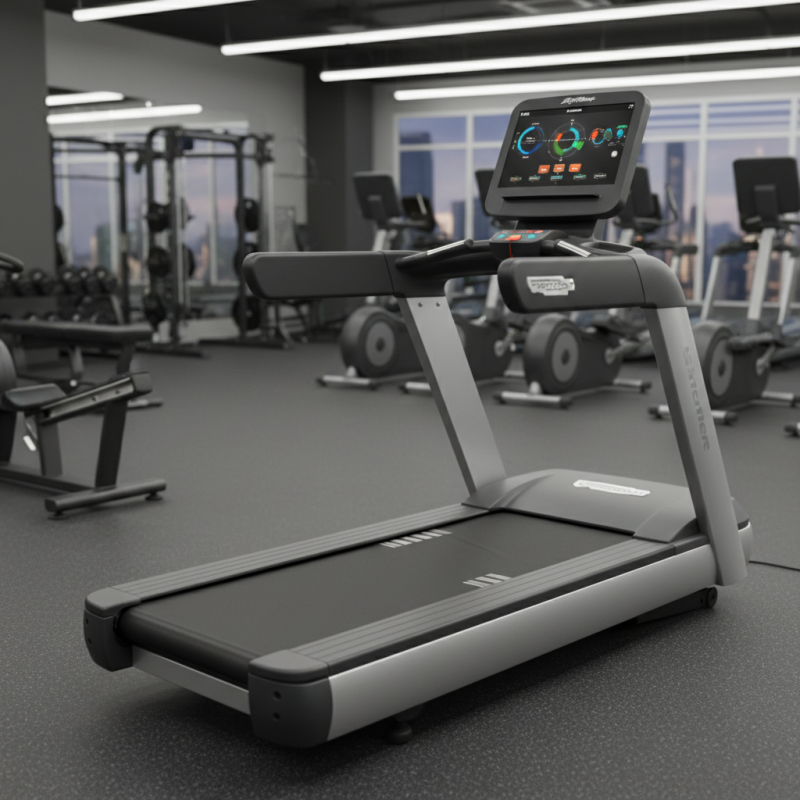
A commercial treadmill is designed for sustained use in gyms, health clubs, and fitness centers. These machines are built with sturdier frames and more powerful motors than typical home treadmills. According to industry reports, commercial treadmills typically have a minimum motor power of 3.0 HP to handle daily wear from multiple users.
Another defining feature is the belt durability. Commercial units often have thicker belts, allowing for better shock absorption and longevity. A study published in the Journal of Sports Science indicates that the lifespan of commercial treadmills can exceed 10 years with regular maintenance, compared to home models that may need replacement in just a few years.
Performance metrics also differ. Commercial treadmills usually offer advanced features, such as programmable workouts, incline settings, and integrated heart rate monitors. However, despite these advantages, they come with higher upfront costs. This can be a barrier for smaller gyms. Many owners must weigh whether the investment aligns with their target market. Balancing quality with budget remains a significant consideration.
Key Features of Commercial Treadmills vs. Home Models
Commercial treadmills are built to handle heavy use in gyms and fitness centers. Their construction is sturdy and durable, often featuring heavier frames and higher weight capacities than home models. This means they can support intense workouts without wear and tear. The motors in commercial treadmills are also more powerful. They can sustain long sessions and higher speeds, catering to various user needs.
In terms of features, commercial treadmills offer advanced technology. Many come equipped with large, interactive displays, pre-set programs, and connectivity options for fitness apps. These features enhance user experience and motivation. Home models, while functional, often fall short in terms of display quality and workout variety. They may not accommodate a range of users or fitness levels as effectively.
Another factor is space and design. Commercial treadmills are often larger, requiring more space. Home models prioritize compactness and storage, making them more accessible for small spaces. However, this can compromise stability and comfort. This difference could lead to a less satisfying workout experience for users at home. Thus, choosing between the two types requires careful consideration of individual workout needs and space availability.
Comparison of Key Features: Commercial Treadmills vs. Home Models
Durability and Build Quality: Why They Matter
When considering a commercial treadmill, durability and build quality are paramount. These machines are designed for heavy daily use in gyms and fitness centers. According to industry reports, commercial treadmills often last up to seven times longer than residential models. This longevity stems from their robust materials, which can withstand intense workouts. High-grade steel frames and reinforced decks play a significant role in their durability.
Tip: Regular maintenance can prolong the lifespan of any treadmill. Wipe down the machine after use and check for loose parts frequently.
The overall build quality impacts performance. A sturdy treadmill minimizes vibrations, providing a smoother experience for users. A solid construction also reduces the chances of malfunction. A well-built treadmill may have a higher initial cost, but the long-term savings on repairs can be significant.
Tip: When purchasing, consider load capacities. Machines that support heavier weights often feature better designs.
While it is tempting to opt for lower-priced models, they may wear out quickly. Users should reflect on their investment. A quality treadmill pays for itself over time through dependable performance and fewer repairs. When weighing options, prioritize durability for a more robust workout experience.
Usage Scenarios: Where to Find Commercial Treadmills
Commercial treadmills are widely used in various environments. You can find them in gyms, fitness studios, schools, and even hotels. These treadmills are built for heavy use and designed to last longer than standard models. According to a recent industry report, commercial treadmills account for over 40% of the global treadmill market share.
In gyms, commercial treadmills offer multiple features. Users benefit from advanced technology like heart rate monitors and customizable workout programs. Schools are also investing in these machines to promote physical fitness among students. This can help combat the rising childhood obesity rates, which surged to about 18.5% in recent studies.
However, the placement of commercial treadmills can be problematic. Crowded gyms may lead to long wait times, discouraging potential users. Also, maintenance is crucial. Machines that are not regularly serviced can break down, disappointing members who rely on them. It's essential for facilities to balance quality machines with accessibility to maximize user satisfaction.
What is a Commercial Treadmill and How Does it Differ from Others? - Usage Scenarios: Where to Find Commercial Treadmills
| Feature |
Commercial Treadmill |
Residential Treadmill |
| Motor Power |
3.0 HP and above |
1.5 HP to 2.5 HP |
| Maximum User Weight |
350 lbs+ |
250 lbs |
| Durability |
Heavy-duty construction |
Light to moderate construction |
| Warranty |
5-10 years on frame |
1-3 years on frame |
| Common Usage |
Gyms, fitness centers |
Home workouts |
| Price Range |
$2,500 - $10,000+ |
$500 - $2,000 |
Maintenance and Support for Commercial Treadmills
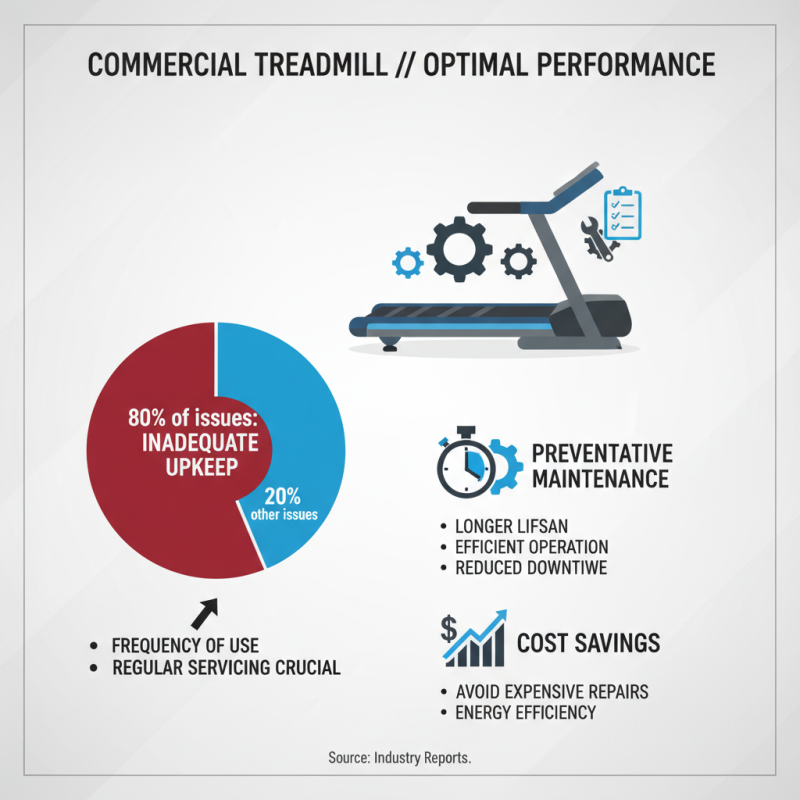
Commercial treadmills are robust machines designed for frequent use. Maintenance plays a crucial role in keeping these machines running efficiently. According to industry reports, about 80% of treadmill issues stem from inadequate upkeep. Regular servicing is essential.
Routine checks should include belt alignment, lubrication, and electrical component inspections. Neglecting these tasks can lead to larger, costly repairs. For instance, a worn belt may require complete replacement. This can lead to downtime for a gym or fitness center, impacting revenue.
Having a maintenance schedule is vital. The International Health, Racquet & Sportclub Association (IHRSA) suggests monthly inspections for the busiest facilities. Support also matters. Many owners overlook the importance of having accessible customer service from equipment suppliers. Timely assistance can reduce repair times by half. Without it, issues linger. Proper care and timely support are essential for the longevity of commercial treadmills.



 1Durch die gruppenweite Einführung und Harmonisierung unseres integrierten Managementsystems (IMS) werden alle bestehenden Unternehmens-, Qualitäts-, Umwelt- und Energiepolitiken durch diese Unternehmenspolitik ersetzt. Der Slogan „Textil hat Zukunft – auch in De