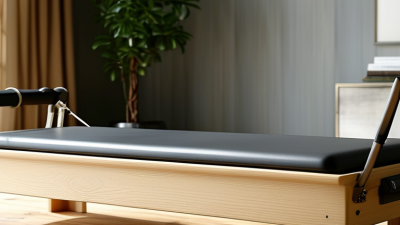
2026 How to Choose the Best Pilates Bed for Your Needs?
Choosing the right Pilates Bed can significantly impact your practice and results. According to Pilates expert Sarah James, "Finding the right equipment is essential for your growth in Pilates." With so many options, it can be daunting to select the best one for your needs. The ideal Pilates Bed should not only fit your body type but also complement your fitness goals.
When searching for a Pilates Bed, consider factors such as size, adjustability, and comfort. Quality beds often feature durable materials that can withstand rigorous use. Look for models that offer various resistance levels, accommodating both beginners and advanced practitioners.
However, the decision is not always straightforward. Some practitioners may feel overwhelmed by the vast selection. It's vital to understand that not every bed suits every individual's preferences. Taking the time to evaluate your specific needs will lead to better choices. Investing in a Pilates Bed that feels right for you is crucial in your Pilates journey.
Understanding Pilates Beds: Types and Features Explained
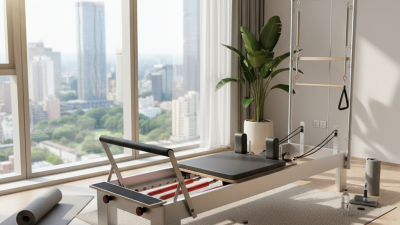
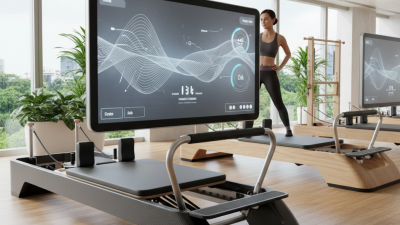
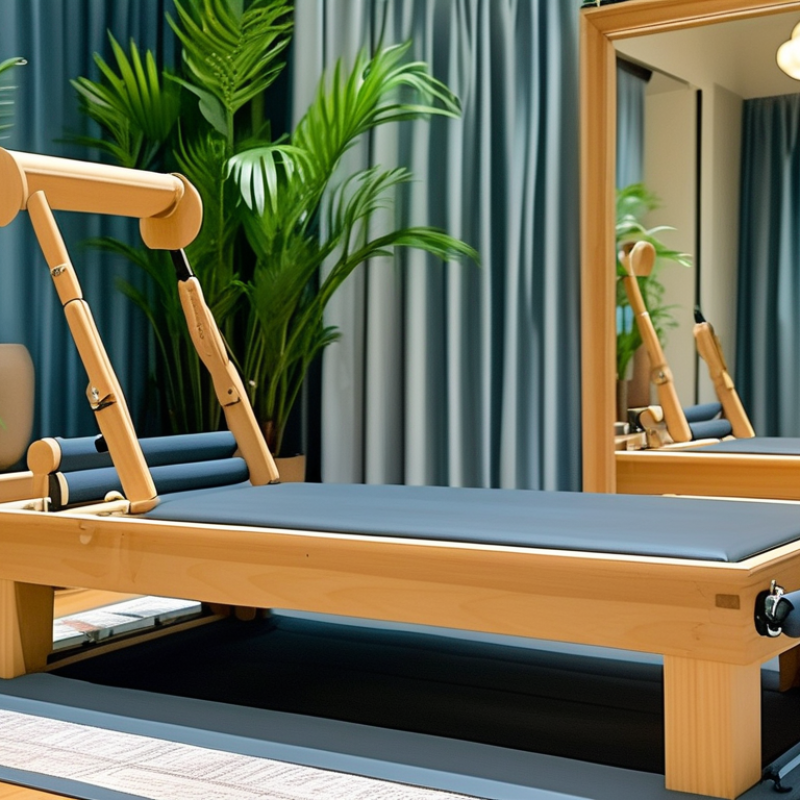
When selecting a Pilates bed, it’s crucial to understand the types available. Pilates beds, often called reformers, come in various designs. Some have a simple platform, while others feature advanced mechanisms for resistance. The choice impacts your workout significantly.
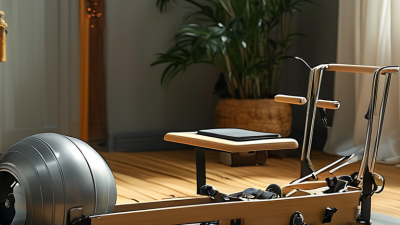
Consider the bed's adjustability. A more versatile reformer allows for modifications that cater to different fitness levels. Look for beds with adjustable springs, footbars, and headrests. These features ensure tailored exercises. However, some users find too many options confusing. There’s a learning curve, and it’s essential to practice patience during your training.
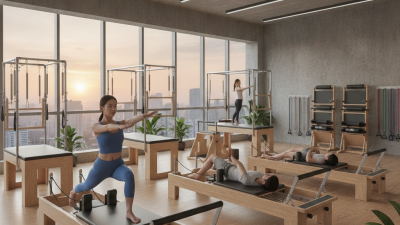
Space is another vital factor. Reformers can vary in size. A compact model might fit better in smaller homes. On the flip side, larger beds offer stability but require ample space. Reflect on your workout environment. Does it promote your Pilates practice, or does it hinder it? Balancing your needs with practicality can be challenging. Each choice shapes your experience on the bed.
Key Factors to Consider When Choosing a Pilates Bed
Choosing the best Pilates bed can be challenging. Several factors influence its suitability for your needs. Consider your fitness level. Beginners may benefit from a more stable model, while advanced practitioners may prefer beds offering varied adjustments. This helps in achieving deeper workouts.
Next, assess the bed's dimensions. A suitable size is crucial for comfort and effectiveness. Some beds are designed for smaller spaces, while others offer more extensive features. A smaller bed can restrict movement. Think about the areas you want to target. Resistance and support must align with your fitness goals.
Lastly, reflect on your budget. High-quality beds come at a range of prices. Investing in a durable model may save costs in the long run. However, be mindful of your actual needs. Too often, buyers opt for features they do not use. Listen to your body. Your chosen bed should enhance your practice, not complicate it.
Professional Recommendations: Best Brands in the Market
Choosing the right Pilates bed can be daunting. Many options exist, each with unique features. Professionals often recommend several key brands that stand out in the market. These brands are known for their durability and versatility. A high-quality Pilates bed can enhance your workout experience dramatically.
When inspecting Pilates beds, consider the materials used. High-quality wood or steel frames provide stability. Look for beds that offer adjustable settings. These settings allow for a more customized workout. Some beds come with specialized attachments, expanding versatility. Remember to check user reviews; real experiences can highlight potential flaws.
It’s important to reflect on your personal needs. Beginners might prefer an easier-to-use model. Experienced users may seek advanced features. Always test the bed if possible. Comfort and stability are crucial for an effective workout. Remember that price is not always an indicator of quality. Sometimes, a mid-range option can outperform higher-priced beds.
User Experience: Reviews and Feedback from Pilates Enthusiasts
Choosing the right Pilates bed can be overwhelming. Many enthusiasts share their experiences, helping others navigate the options. One common theme is comfort. Pilates beds that provide adequate cushioning can greatly enhance workouts. Enthusiasts often emphasize the importance of testing beds before purchasing. A satisfactory experience can hinge on this simple step.
Some users have mixed feelings about size and weight. While a larger bed may offer more versatility, it can also take up precious space. Several reviewers noted that their ideal bed wasn't the most compact. It’s essential to consider your environment. Feedback shows that portability matters too, especially for those who train at home and desire flexibility.
Another frequent point of discussion is resistance levels. Pilates practitioners often want adjustable resistance to cater to their varying needs. Some beds fall short in this area, leading to frustration. Others appreciate having a range of levels, which boosts their workouts. Customer reviews frequently highlight the balance between sturdiness and adjustability. Aspiring buyers are encouraged to reflect on their priorities regarding features.
Budgeting for Your Pilates Bed: Price Ranges and Cost-Effectiveness
When selecting a Pilates bed, budgeting is crucial. Prices can vary widely. Basic models may start around $500. High-end reformers can go over $3,000. According to the Pilates Method Alliance, about 40% of users opt for mid-range options, which typically cost between $1,000 and $2,000. This range often balances quality and affordability.
Cost-effectiveness is key in your decision. It’s essential to consider longevity and warranty options. Higher-priced beds may offer better materials and features. They often come with warranties of up to 10 years. This can save money in the long run. Analyze how often you'll use the bed. If you plan to use it daily, investing more upfront could be wise.
Tips: Assess your space before purchasing. A large bed might not fit in a small room. Consider resale value. Some models retain their value well. Research professional reviews and user testimonials. They can guide your choice. Always question what you truly need. Don't be swayed by trends alone.



 1Durch die gruppenweite Einführung und Harmonisierung unseres integrierten Managementsystems (IMS) werden alle bestehenden Unternehmens-, Qualitäts-, Umwelt- und Energiepolitiken durch diese Unternehmenspolitik ersetzt. Der Slogan „Textil hat Zukunft – auch in De