How to Choose the Best Pilates Equipment for Your Needs?
Choosing the right Pilates equipment can significantly impact your practice. According to a recent report by IBISWorld, the Pilates equipment market has been growing steadily, with an annual increase of around 4.5%. This trend highlights the growing interest in Pilates as a form of exercise across various demographics. Appropriate equipment enhances both safety and effectiveness during workouts.
However, not all equipment is created equal. Users often face confusion when navigating various brands and types available in the market. From reformers to stability balls, each piece serves a unique purpose. A common mistake is assuming that higher prices guarantee quality. It's essential to assess personal needs, space, and budget carefully.
Inconsistent use of equipment can lead to unmet goals. Therefore, consider where you’ll store your Pilates equipment and how often you’ll use it. Engaging with a certified instructor for recommendations may provide valuable insights. Their expertise can help you avoid pitfalls. Establishing a solid foundation in equipment selection paves the way for a rewarding Pilates journey.
Understanding Different Types of Pilates Equipment Available on the Market
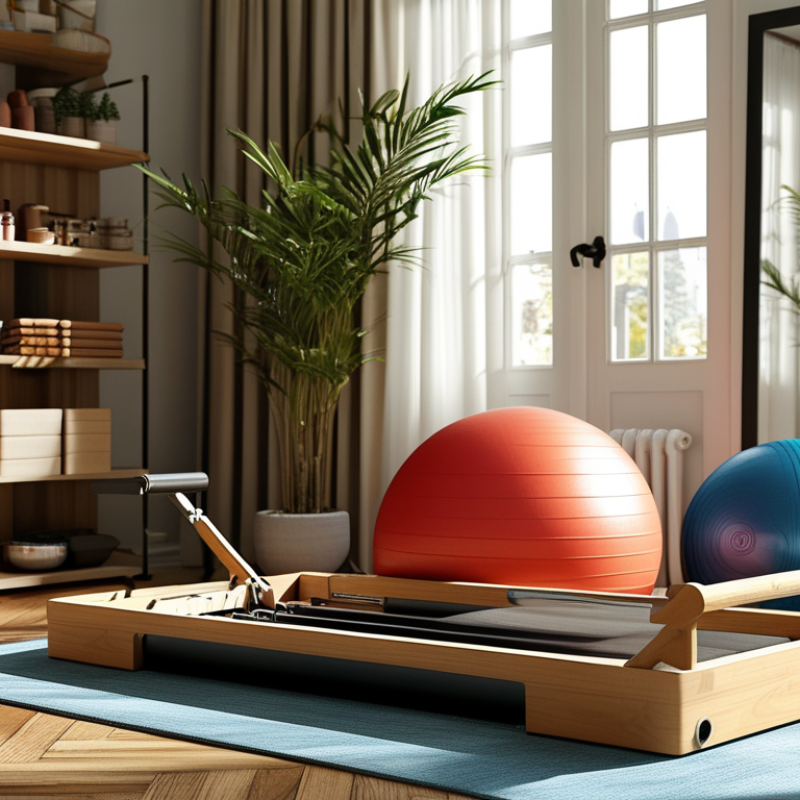
When selecting Pilates equipment, understanding the different types available is essential. The market offers a variety of options, each serving unique purposes. Common equipment includes reformers, stability balls, and resistance bands. According to a recent industry report, approximately 75% of yoga and Pilates studios use reformers for their versatility and effectiveness. These machines engage multiple muscle groups simultaneously, enhancing strength and flexibility.
Stability balls can improve core strength and balance. They add an element of instability to traditional exercises. Research shows that working with stability balls can increase muscle activation by up to 40%. However, they require careful usage to avoid injury. It’s important to ensure proper form.
Finally, resistance bands are an affordable and portable option. They provide varying levels of resistance, making them suitable for beginners to advanced users. It's worth noting that improper use of bands can lead to ineffective workouts and potential injuries. Investing time in understanding how to use these tools effectively is vital for maximizing benefits.
Key Factors to Consider When Selecting Pilates Equipment for Home Use
Choosing the right Pilates equipment for home use involves several critical factors. First, consider your fitness level and goals. A 2021 report by the American Council on Exercise indicates that about 70% of users prefer more versatile equipment that supports various exercises. This suggests versatility can enhance your workout experience.
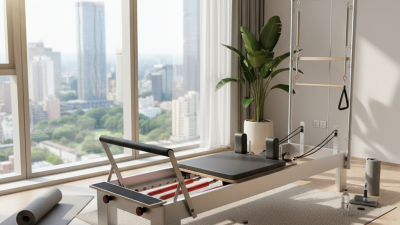
Evaluate space availability at home. If limited, opt for compact options like resistance bands or a Pilates ring. Larger equipment, such as reformers, require more space. Remember, having a dedicated workout area can motivate consistency.
**Tips**: Before making a purchase, try out different equipment at a local studio or gym. Getting a firsthand feel can inform your choice significantly. Also, read online reviews and check expert opinions to ensure reliability.
Durability and maintenance should also be considered. The International Health, Racquet & Sportsclub Association reported that durable equipment can save costs in the long run. Don't overlook these aspects when choosing.
**Tips**: Budget wisely. Sometimes cheaper options lead to expenses from repairs or replacements. Quality investments often pay off over time. Reflect on your purchasing decisions to ensure they align with your long-term fitness journey.
How to Choose the Best Pilates Equipment for Your Needs?
| Equipment Type |
Space Requirement |
Skill Level |
Price Range |
Portability |
| Reformer |
Large |
Intermediate to Advanced |
$500 - $2,500 |
Low |
| Pilates Mat |
Small |
Beginner to Advanced |
$20 - $100 |
High |
| Pilates Chair |
Medium |
Intermediate to Advanced |
$300 - $1,200 |
Medium |
| Resistance Bands |
Small |
Beginner to Advanced |
$10 - $50 |
Very High |
| Magic Circle |
Small |
Beginner to Advanced |
$30 - $60 |
Very High |
Analyzing Your Fitness Goals: Reformer vs. Mat Pilates Equipment
When choosing between reformer and mat Pilates equipment, consider your fitness goals carefully.
Reformer Pilates offers a more versatile workout. It uses springs for resistance, enhancing your strength and flexibility. This equipment is ideal for those who want to challenge themselves. It provides support for beginners while allowing advanced users to progress. Mat Pilates, on the other hand, focuses on body weight exercises. It’s perfect for those who prefer a simpler setup. If space is limited, a mat is a practical solution.
Tips: Identify what you aim to achieve. Are you looking to strengthen your core? Or do you want to improve your overall flexibility? If you are unsure, starting with a mat can help you grasp the basics. You can also benefit from attending classes that incorporate both types of equipment. This exposure will give you insights into what truly suits your style.
Reflect on your current fitness level as well. Reformer workouts may seem intimidating at first. However, they can accelerate your progress. Do not rush into purchasing equipment. Consider taking trial classes instead. This way, you can experience both options without commitment. Choose wisely where you invest your time and energy.
Budgeting for Pilates Equipment: Cost Ranges and Quality Assessments
When budgeting for Pilates equipment, it’s crucial to understand the cost ranges. Basic equipment like mats can be found for as low as $20. However, high-quality mats may cost over $100, reflecting their durability and support. Resistance bands and small props are affordable too. Prices often range from $10 to $50, depending on the materials used.
Larger equipment, such as reformers and stability balls, increase the budget significantly. A sturdy reformer may range between $300 to $3,000. It’s essential to assess the quality of materials and construction. Cheaper options may lack stability and safety, leading to potential injuries.
Consider your personal fitness goals as well. Investing in quality equipment can enhance your practice. However, some items may barely be used. Reflect on your commitment to Pilates. Is it a hobby or a lifestyle change? Make your choices wisely. Prioritize quality where it counts but stay mindful of your budget constraints.
Maintenance and Longevity: Choosing Durable Equipment for Regular Use
When selecting Pilates equipment, durability is a crucial factor. Investing in long-lasting gear can enhance your practice. Look for materials like high-quality steel and reinforced fabrics. These can withstand the wear of regular use. Consider the design as well. Equipment with a solid construction often offers better stability during workouts.
Regular maintenance is key to ensuring longevity. Clean your equipment after each session to prevent dirt buildup. Inspect it for signs of wear, such as frayed straps or loose screws. If something seems off, address it immediately. Delaying repairs can lead to greater damage, impacting both safety and usability.
Don’t overlook the importance of storage. Properly store your equipment in a cool, dry place. This reduces the risk of damage due to moisture or heat. Reflect on your environment. If you practice in a small space, choose equipment that can be easily disassembled or stored away. Think about your long-term commitment to Pilates as you make your choices. It can help you prioritize quality and durability.



 1Durch die gruppenweite Einführung und Harmonisierung unseres integrierten Managementsystems (IMS) werden alle bestehenden Unternehmens-, Qualitäts-, Umwelt- und Energiepolitiken durch diese Unternehmenspolitik ersetzt. Der Slogan „Textil hat Zukunft – auch in De