Essential Pilates Equipment Tips for Beginners to Get Started?
If you're new to Pilates, understanding the essential equipment can make all the difference. Pilates equipment enhances your experience, providing support and options for effective workouts. It can seem overwhelming at first, but focusing on the basics will help you ease into your practice.
Many beginners may feel unsure about where to start. The key is to familiarize yourself with common pieces, like the reformer or resistance bands. Each tool serves a unique purpose, aiding in strength, flexibility, and stability. Paying attention to how these pieces fit into your routine is crucial. Every piece of equipment has its own learning curve, and it’s okay to feel challenged.
Selecting the right Pilates equipment isn’t just about aesthetics; it’s about functionality and personal preference. You might end up trying various tools before finding what feels right. Embrace the journey, and don’t hesitate to ask instructors for guidance. Your comfort with the equipment will grow with time and practice.
Key Pilates Equipment for Beginners: A Guide
When starting Pilates, knowing the essential equipment can enhance your experience. Key tools like the mat, resistance bands, and small props are fundamental for beginners. Studies show that practicing on a quality mat improves stability and grip, which is crucial as 70% of new practitioners struggle with balance. A good mat also provides cushioning and support, reducing the risk of injury.
Resistance bands are versatile. They can be used for strength training and flexibility exercises, offering an adjustable level of resistance. Research highlights that incorporating bands can increase muscle activation by 30%, making workouts more effective. Additionally, small props like stability balls and Pilates rings can add variety, targeting different muscle groups. These tools enable beginners to explore their limits while ensuring proper form and alignment. It's essential to remember that while equipment aids your practice, understanding your body and its capabilities matters just as much.
Understanding Different Types of Pilates Equipment
When starting Pilates, understanding the variety of equipment available can enhance your practice. Pilates is often associated with equipment like the reformer, cadillac, and stability ball. Each piece is designed to provide support and resistance, making it accessible for beginners.
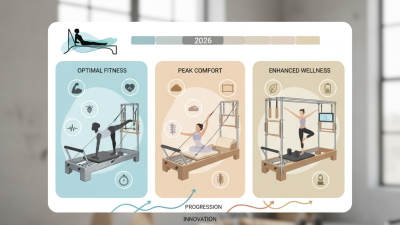
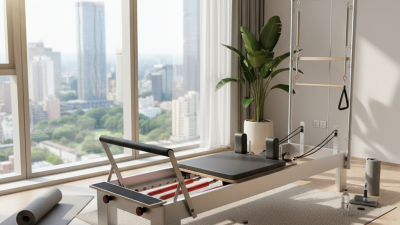
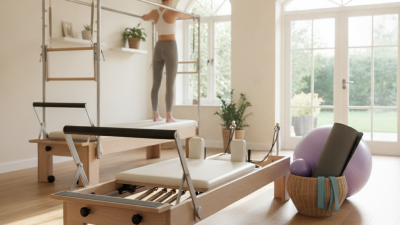
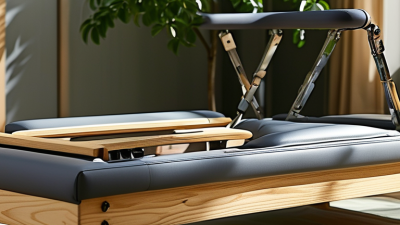
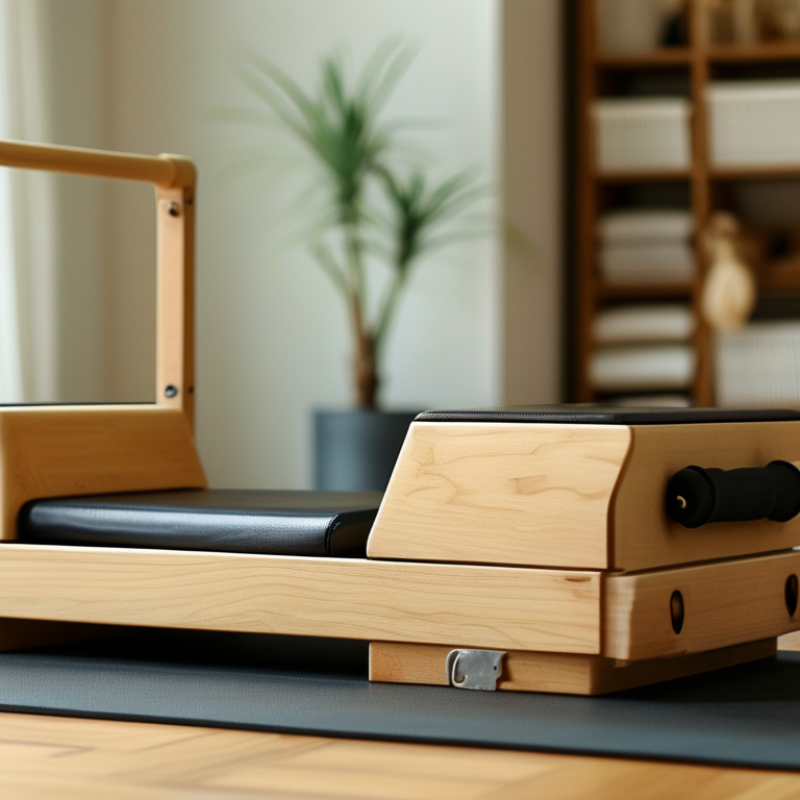
The reformer is perhaps the most iconic. It consists of a sliding carriage and adjustable springs that create resistance. Many find it helpful for mastering movement control. On the other hand, the cadillac offers a wider array of possible exercises. Its frame allows for a variety of attachments that can target specific muscles. While both are excellent, navigating their complexities can feel daunting.
Other equipment includes mats and resistance bands. These are simple, yet effective for foundational Pilates movements. Mats offer stability when performing exercises on the floor. Resistance bands provide a portable way to explore strength training. It’s important to reflect on which tools resonate with your needs and comfort levels. Beginners may find themselves overwhelmed while also discovering their preferences.
Essential Safety Tips When Using Pilates Equipment
When starting with Pilates equipment, safety is paramount. Ensure your workout area is clear of obstacles. This helps prevent accidents when using machines. Before beginning, familiarize yourself with each piece of equipment. Read manuals or search guides online. Understanding how everything works minimizes risks.
Always check equipment for wear and tear. A broken spring or loose strap can lead to injury. If something feels off during your workout, stop immediately. It’s better to pause than push through pain. Listen to your body; it often signals when something is wrong.
Additionally, consider your posture and form. Poor alignment can lead to injury. Work with a trained instructor at least once to learn proper techniques. They can help you gain confidence and avoid mistakes. Remember, it’s essential to build a strong foundation as you start your Pilates journey.
Essential Pilates Equipment Usage and Safety Tips
This bar chart displays the importance of various Pilates equipment for beginners along with essential safety tips. Each piece of equipment is rated on a scale from 1 to 10 based on its effectiveness and safety considerations.
Maintenance Guidelines for Your Pilates Gear
When starting your Pilates journey, proper maintenance of your equipment is crucial. This ensures longevity and optimal performance. Regularly check for wear and tear on your mats and props. A frayed mat can lead to slips. Clean your equipment after each use to prevent bacteria build-up and odors. Use mild soap and water for wiping down surfaces. This simple step keeps your gear fresh.
Storage matters, too. Avoid placing heavy objects on your mats, as they can become misshapen. Keep your resistance bands coiled and stored in a dry place to prevent stretching. Remember, overlooking these details can hinder your practice. Neglecting equipment care can lead to injuries. Well-maintained tools make your sessions safer and more enjoyable.
Finally, consider documenting any issues you notice with your gear. A journal can help track wear over time. Regular reflection on the condition of your equipment can guide better maintenance habits. Small actions can lead to significant results in your Pilates practice. Prioritize your gear, and you'll enhance your performance.
Setting Up Your Space for Effective Pilates Practice
Creating an effective space for Pilates practice is key for beginners. Start by choosing a quiet corner in your home. Consider natural light; it can uplift your mood. A clean area helps maintain focus. Clear away clutter to avoid distractions. Make sure there’s enough room to stretch fully in all directions.
Next, think about your flooring. A soft surface, like a mat, can provide comfort. If you practice on hardwood, consider a padded mat for support. Keep your equipment nearby but organized. A shelf or basket can store your props neatly. Remember, a minimal setup can promote a calm mindset.
Lighting is also important. Too bright or too dim can affect your energy. Use soft, warm lighting for a cozy atmosphere. Play calming music if it helps you concentrate. Finally, regularly assess your setup. What works today might need adjustments later. Reflect on your practice space to ensure it meets your evolving needs.
Essential Pilates Equipment Tips for Beginners to Get Started
| Equipment |
Purpose |
Tips for Beginners |
Maintenance |
| Mat |
Provides cushioning and stability for floor workouts |
Choose a mat that has good grip and thickness for comfort |
Clean regularly with a mild soap solution |
| Resistance Bands |
Add resistance to enhance strength training |
Start with light resistance to avoid strain |
Store them in a cool, dry place to prevent damage |
| Pilates Ball |
Improves balance and core strength |
Choose a size suitable for your height |
Inflate as needed and check for any punctures |
| Foam Roller |
Aids in muscle recovery and flexibility |
Use gently, especially if new to foam rolling |
Wipe down after every use to keep it clean |
| Pilates Ring |
Targets specific muscle groups for toning |
Start with basic exercises before advancing |
Check for wear and tear regularly |



 1Durch die gruppenweite Einführung und Harmonisierung unseres integrierten Managementsystems (IMS) werden alle bestehenden Unternehmens-, Qualitäts-, Umwelt- und Energiepolitiken durch diese Unternehmenspolitik ersetzt. Der Slogan „Textil hat Zukunft – auch in De