Top 10 Pilates Beds for Global Buyers in 2026?
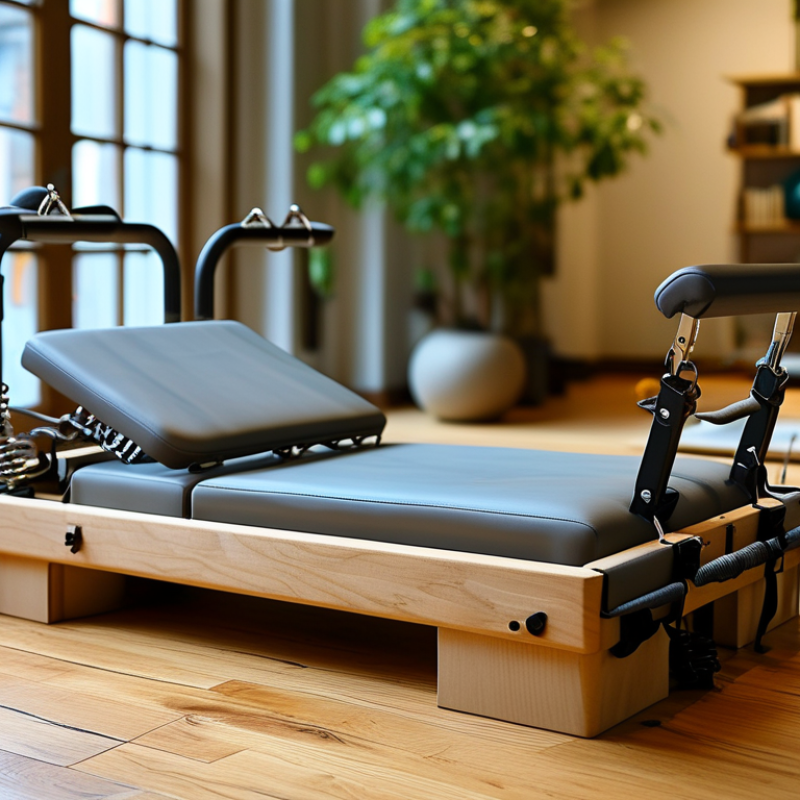
As the demand for fitness solutions continues to grow, the Pilates Bed emerges as a key player. In 2026, buyers worldwide will seek high-quality equipment for their studios and homes. These beds are designed for versatility and effectiveness, offering a unique approach to fitness.
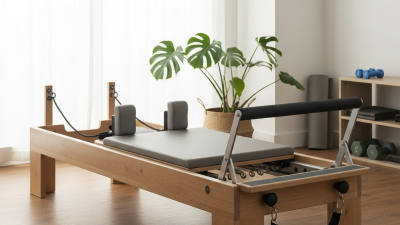
Pilates Beds, also known as reformers, come with various features such as adjustable springs and straps. These enhancements allow users to tailor their workouts. However, choosing the right one can be tricky. With so many options, even seasoned practitioners may find it hard to decide.
Understanding the nuances between different Pilates Beds is essential. Consider factors like build quality, user reviews, and functionality. Taking this time to research can lead to better purchasing decisions. In a market that’s evolving rapidly, ensuring you select a reliable product is crucial for your fitness journey.
Top Trends in Pilates Bed Designs for 2026 Global Market
The Pilates bed market is evolving with significant trends for 2026. Many industry reports indicate a rising demand for customized options. According to Global Market Insights, the global Pilates equipment market is expected to exceed $300 million by 2026, driven by increasing awareness of health and wellness.
Designs are shifting toward multifunctionality. Manufacturers are integrating features that allow users to perform various exercises. This flexibility attracts gym owners and individual consumers. A recent survey revealed 65% of Pilates enthusiasts prioritize versatility when selecting equipment. Additionally, eco-friendly materials are gaining traction. Sustainability in production resonates with a socially conscious consumer base.
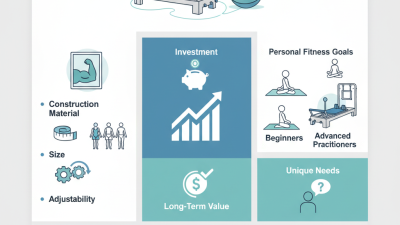
However, the industry faces challenges. Standardization in dimensions can hinder accessibility for users of different body types. Many Pilates beds still lack adjustability features. This reflects a need for improvement in catering to diverse needs. Preferences vary, making it essential for manufacturers to stay adaptable and innovative. Balancing functionality with inclusivity remains a critical area for growth in the Pilates bed market.
Key Features to Look for in High-Quality Pilates Beds
Choosing the right Pilates bed is crucial for effective training and injury prevention. A recent report by the Fitness Equipment Association highlights that a well-made Pilates bed can enhance user experience significantly. Key features to look for include adjustability, stability, and material quality.
Adjustability allows for a tailored experience. Beds with multiple settings cater to various body types and fitness levels. The stability of a bed ensures safety during exercises. A bed that wobbles can lead to accidents, affecting your practice. High-quality materials, such as durable wood or steel frames, enhance longevity and performance.
Another aspect to consider is the size and weight of the bed. Compact designs are ideal for home use, making them user-friendly for smaller spaces. However, some might find lighter models less stable. The choice of color and finish can also influence motivation. Aesthetics matter; vibrant options can inspire your workout routine. Balancing these factors requires careful thought and personal reflection.
Comparative Analysis of Leading Pilates Bed Brands and Models
The Pilates market is evolving rapidly. In recent reports, it is projected that the global Pilates equipment market will reach around $700 million by 2026. This growth emphasizes the increasing demand for quality Pilates beds among fitness enthusiasts and professionals alike. A comparative analysis of leading models reveals distinct features influencing buyer decisions.
Key aspects include adjustable settings, material durability, and price range. Different models offer varying resistance levels and attachment options, catering to diverse skill levels. The latest research shows that 62% of buyers prioritize comfort and customization in their choices. However, not all brands consistently deliver on these factors, leading to mixed user experiences.
Inconsistent product quality poses a significant concern. While some Pilates beds offer excellent stability and usability, others lack robust design, causing frustration. Moreover, the importance of proper setup cannot be overlooked; improper assembly can hinder performance. Continuous user feedback is vital for brands to enhance product reliability and user satisfaction. Thus, buyers should remain cautious and conduct thorough research before making a purchase.
Market Demand Insights: Pilates Beds Sales Projections for 2026
The Pilates bed market is expected to grow significantly by 2026. Research indicates a compound annual growth rate (CAGR) of around 7.5% during this period. The increasing popularity of Pilates as a fitness regimen drives this demand. More people are seeking low-impact workouts that enhance strength and flexibility.
According to industry reports, the rise in health consciousness contributes to this trend. Many consumers prioritize physical fitness and well-being. Therefore, Pilates beds are becoming essential equipment in home gyms and fitness studios. A recent survey revealed that 65% of fitness enthusiasts plan to invest in Pilates equipment within the next year.
However, challenges remain. Not all buyers understand the variety of features and quality available. Many first-time buyers may struggle to identify their actual needs. This hesitation could slow down their purchasing decisions. Education on the value of tailored Pilates beds is critical for potential buyers. The market needs to address these gaps to fully capitalize on the growing interest.
User Feedback: What Pilates Practitioners Value Most in Reformer Beds
Pilates practitioners prioritize various qualities in reformer beds. User feedback reveals that stability and sturdiness top the list. A survey by Pilates Equipment Authority indicates that 82% of users mention stability as a key feature. They want equipment that supports rigorous workouts without wobbling or compromising safety.
Comfort also plays a vital role. Approximately 75% of users express the need for ergonomic design. Poorly designed beds can lead to discomfort and injuries during sessions. Materials matter too; 65% of respondents prefer beds made from high-quality, durable materials. This ensures longevity and better performance over time.
Another notable feedback point is adjustability. Many users value customizable settings to match their body types. A report by Fitness Equipment Experts shows that 70% of practitioners seek reformers with adjustable features for better alignment. However, some users reported that overly complicated mechanisms might hinder quick adjustments. Balancing ease of use with functionality is crucial for manufacturers.



 1Durch die gruppenweite Einführung und Harmonisierung unseres integrierten Managementsystems (IMS) werden alle bestehenden Unternehmens-, Qualitäts-, Umwelt- und Energiepolitiken durch diese Unternehmenspolitik ersetzt. Der Slogan „Textil hat Zukunft – auch in De