Choosing a Pilates machine in 2026 requires more than comparing prices, colors, and polished studio photographs. A reliable Pilatesmachine should match your body, training goals, available space, and experience level. A beginner may need a stable reformer with clear spring settings. An experienced practitioner may prefer adjustable shoulder rests, a smoother carriage, and greater exercise variety. Measure the room carefully. Leave space for the carriage, straps, and safe movement around the frame. A machine that barely fits can make every session frustrating.
Ken Endelman, founder of Balanced Body, has said, “Our mission is to improve the quality of people’s lives through movement.” That principle offers a useful standard. Look for tested materials, secure footbars, quiet rollers, durable upholstery, and transparent warranty terms. Check whether replacement springs and ropes are easy to obtain. These small details matter after months of regular use. A low price can become expensive when parts fail or service disappears.
Do not trust marketing alone. Ask how the machine was tested and whether qualified instructors use it. Review weight limits, assembly requirements, and maintenance instructions. If possible, try the carriage before buying. Notice its sound, resistance, and stability under slow movement. Personal preference still matters. No checklist is perfect.
The best Pilatesmachine is not always the most advanced model. It is the one that supports consistent, controlled practice without creating unnecessary strain. This guide will compare essential features, common mistakes, and practical choices for home users and professional studios in 2026.
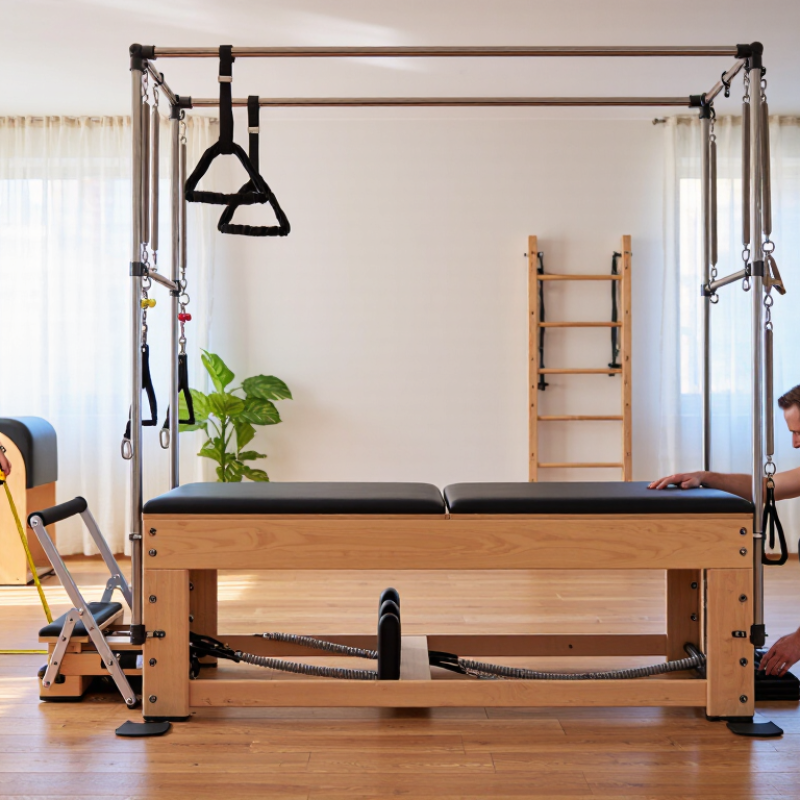
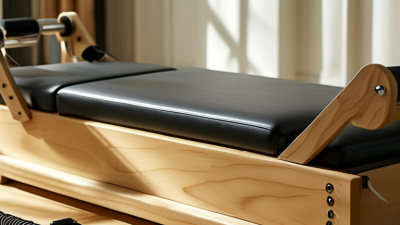
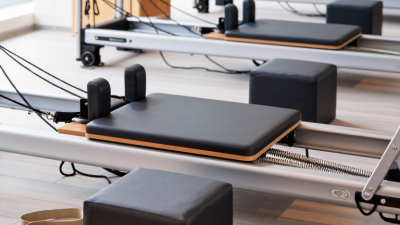
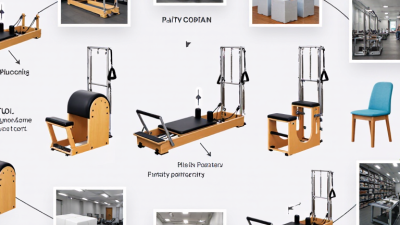
A useful 2026 equipment standard classifies Pilates machines by movement purpose, not appearance. The reformer uses a moving carriage, springs, shoulder blocks, and footbar. It suits sliding resistance, footwork, and controlled spinal movement. Choose a stable frame and smooth carriage travel. Any shaking is a warning sign.
The trapeze table adds a raised frame, springs, bars, and straps. It supports assisted stretching, suspension work, and rehabilitation-focused exercises. A Pilates chair is smaller but demands stronger balance control. Its pedal, springs, and handles should respond without sudden resistance. Barrels have no moving carriage. They guide spinal extension and open the chest through curved support.
Look at construction details. Check the spring connection points, rope adjustment, padding, and weight limits. Measure the room before buying. A reformer may need extra clearance behind the carriage. I once underestimated this space and had to change the layout. That was inconvenient, but useful.
Experience also matters. Beginners may need a reformer with clear adjustments and moderate spring options. Experienced users may prefer interchangeable parts and broader resistance ranges. Do not choose the largest machine automatically. Bigger can mean harder storage and less frequent practice. Test the footbar, carriage, and straps in person when possible. A machine should feel precise, quiet, and secure. Otherwise, the specifications may look impressive while daily training feels frustrating.
Spring resistance should match the user’s goal, not simply the machine’s maximum setting. A lighter spring can improve control, balance, and joint-friendly movement. It also helps beginners learn neutral spine positioning without gripping the carriage. For strength development, choose resistance that makes the final repetitions challenging while preserving smooth technique. The spring should not force the hips to shift or the shoulders to lift.
ACSM guidance supports resistance training for major muscle groups at least twice weekly. Many adults can begin with two sets of 8–12 controlled repetitions. A Pilates machine can support this pattern, but spring tension is not equal to free-weight load. Pulley angles, body position, and range of motion change the real challenge. Aim for about two or three repetitions left in reserve. That feels demanding, not chaotic.
I test the lightest useful spring first, then add tension gradually. Watch the last three repetitions. Does the carriage move steadily? Can the user breathe normally? If not, reduce the load. For experienced users seeking stronger output, heavier springs and shorter sets may work, but only with precise control. The same setting may feel easy during leg presses and unexpectedly heavy during arm work. I once increased resistance too quickly and noticed poorer alignment before obvious fatigue appeared. That mistake still shapes my equipment choices. A machine with clear spring changes, stable straps, and enough adjustment range is usually more valuable than one offering extreme resistance.
How to Choose a Pilates Machine in 2026?
Compare Reformer Dimensions, Weight Limits, and Available Training Space
A Pilates reformer may look compact in a showroom, yet occupy much more room during exercise. Measure the frame, carriage travel, and footbar position. Many home reformers are about 230–260 centimeters long and 60–70 centimeters wide. Allow another 60 centimeters on each side for safe movement. You may need more space behind the machine for stretching and mounting exercises. Measure twice.
I once underestimated the clearance around a reformer. The frame fitted neatly, but the nearby cabinet interrupted every standing movement. That mistake changed how I assess home equipment. Mark the full training area with tape before ordering. Check ceiling height if you plan to use a tower or vertical attachments. A narrow room can work, but only with disciplined layout planning.
Weight limits require careful reading. Confirm the maximum user weight, not only the machine’s total load rating. Some specifications exclude accessories or dynamic movement. A heavier user creates different forces while jumping, kneeling, or transitioning quickly. Choose a machine with a clear safety margin and a stable, reinforced frame. Ask whether the limit applies to every exercise configuration. This detail is often vague. It should not be. Also inspect the warranty terms, adjustment range, and floor-leveling system. Uneven flooring can make a well-built reformer feel unstable.
Compare typical reformer dimensions, maximum user weight limits, and the training space needed for safe movement around the machine.
| Machine type | Typical size (L × W) | Recommended training area | Typical user limit |
|---|---|---|---|
| Compact reformer | 190 × 60 cm | 11.4 m² | 120 kg |
| Standard reformer | 240 × 66 cm | 13.7 m² | 150 kg |
| Studio reformer | 240 × 76 cm | 15.8 m² | 150 kg |
| Tower reformer | 240 × 76 cm | 17.3 m² | 150 kg |
The chart compares machine length and width in centimeters with typical maximum user weight limits. Allowing approximately 60–90 cm of clear space around the reformer supports safer mounting, dismounting, and exercise movement. Always confirm the manufacturer’s exact specifications before purchase.
How to Choose a Pilates Machine in 2026?
A safe Pilates machine should feel stable before it feels impressive. ASTM fitness equipment principles emphasize sound construction, predictable movement, clear instructions, and user protection. Check the frame for wobbling, sharp edges, loose fasteners, and exposed pinch points. The carriage should glide smoothly without sudden stops or side-to-side movement. Test every spring, strap, pulley, and adjustment before beginning a full workout.
Look for readable weight limits and durable warning labels. A machine should explain how to attach accessories and change resistance safely. Adjustable footbars and shoulder rests must lock firmly under pressure. Examine the emergency release, if provided, and confirm that it works without excessive force. In my equipment checks, small noises often revealed loose hardware. I once ignored a faint rattle. That was careless, and it changed how I inspect machines.
Tips: Sit on the carriage first. Apply gentle pressure. Watch for shifting. Keep fingers away from moving joints. Ask whether replacement cables and springs are available. Maintenance access matters in 2026, especially for home users. Review the manual, inspection schedule, and assembly guidance before purchase. ASTM-based thinking is useful, but it does not replace checking local requirements or the machine’s actual condition. A polished finish can hide weak engineering. Test slowly. Feel the resistance. Note anything unclear.
| Machine type | Typical dimensions and working space | Primary use | Key safety features to verify | ASTM-aligned safety principle | Risk level when features are missing | 2026 buying recommendation |
|---|---|---|---|---|---|---|
| Studio reformer | Approx. 230–260 cm long × 65–75 cm wide; allow at least 60 cm clearance on each side and 90 cm at the foot end. | Full-body strength, mobility, balance, and controlled resistance training. | Positive-locking carriage stopper; adjustable shoulder rests; secure footbar locks; enclosed or guarded springs; non-slip platform; rounded edges; stable frame; clearly marked spring settings. | Prevent unintended movement, pinch points, entanglement, and loss of balance; provide durable construction and clear user instructions. | High | Best all-round choice when space and budget allow. |
| Reformer with tower | Approx. 230–260 cm long × 65–80 cm wide; height commonly 200–230 cm; allow overhead clearance and a clear working zone around the frame. | Reformer exercises plus vertical resistance, assisted stretching, and suspension-based movements. | Tower anchoring hardware; locked uprights; adjustable safety stops; straps with intact stitching; carabiners that cannot open under normal loading; spring-retention points; wall or floor stability. | Control stored energy and suspended loads; protect users from component separation, unexpected release, and structural instability. | High | Choose only after checking installation requirements and load-rated attachment points. |
| Pilates chair | Approx. 75–85 cm long × 60–75 cm wide × 60–75 cm high; leave enough room for lateral movement and hand support. | Lower-body strength, balance, posture, and compact resistance training. | Wide non-slip pedal; positive pedal travel limit; enclosed springs; stable base; anti-tip feet; secure handles; rounded corners; height suitable for safe mounting and dismounting. | Reduce tipping, slipping, uncontrolled pedal movement, and impact hazards; maintain stability during dynamic loading. | Medium–High | A strong compact option, particularly for users with limited floor space. |
| Ladder barrel | Approx. 100–130 cm long × 60–80 cm wide × 110–130 cm high; allow a clear area for side bending and dismounting. | Spinal mobility, extension, posture, and supported flexibility work. | Stable ladder attachment; evenly spaced rungs; secure handholds; firm barrel padding; anti-slip feet; no exposed fasteners or sharp edges; resistance to rocking. | Prevent falls and unintended movement; eliminate foreseeable contact, snagging, and sharp-edge hazards. | Medium | Suitable for mobility-focused users when the frame remains stable under side loading. |
| Arc barrel / spine corrector | Approx. 80–100 cm long × 45–60 cm wide × 30–45 cm high; requires a flat, unobstructed floor. | Supported spinal extension, alignment, abdominal work, and gentle mobility exercises. | Broad anti-slip base; dense, resilient padding; stable geometry; wipe-clean upholstery; no rocking on a level surface; defined weight and use limits. | Control stability and foreseeable misuse; provide durable surfaces and instructions for safe positioning. | Low–Medium | A practical entry-level choice, but it offers fewer resistance-training options. |
| Portable reformer | Commonly 150–220 cm long × 45–65 cm wide; verify folded dimensions, floor loading, and required clearance before use. | Home workouts, travel, and low-volume movement training. | Positive folding locks; reliable carry handles; anti-slip feet; secure spring attachment; stable frame when fully extended; maximum user-weight declaration; no exposed hinges. | Prevent collapse, folding-related pinch injuries, sliding, and use beyond the stated capacity. | Medium–High | Prioritize locking systems and frame rigidity over minimum folded size. |
Choosing a Pilates machine in 2026 requires more than comparing purchase prices. Calculate total ownership cost across five years. The Health & Fitness Association reported 184 million global health-club members and $96.7 billion in 2023 industry revenue. Demand is strong, but busy studios also create heavier equipment wear.
Use this formula: purchase price minus resale value, plus repairs, maintenance, delivery, and lost-use costs. Warranty terms need close reading. A five-year frame warranty may exclude cables, springs, upholstery, or labor. Record each covered component separately.
For example, a $3,200 machine used for 18 sessions weekly may cost $356 annually before repairs. Add two spring replacements at $110 each, annual servicing at $180, and a $250 delivery fee. Its estimated five-year ownership cost reaches about $4,030 before financing.
Usage data changes the decision. The Global Wellness Institute valued the physical-activity economy at $1.06 trillion in 2023, showing a large market, not proof of easy profit. A commercial studio should track sessions, downtime, and repair frequency monthly. A home user should measure weekly sessions honestly. Low use can make a premium machine financially inefficient.
Small details matter.
Ask whether service labor is local. Check whether replacement parts remain available after warranty expiration. My initial estimate would still include a 10–15% contingency, because repair timing is rarely perfect. That buffer may be excessive. It is safer than pretending every spring, pulley, and inspection will follow the brochure.