Pilates Equipment is no longer limited to boutique studios or specialist training rooms. Global buyers now compare reformers, chairs, barrels, towers, and compact home systems across many markets. Their decisions often begin with safety, durability, user comfort, and after-sales support. Price matters, but it rarely tells the whole story.
Joseph Pilates, the founder of the Pilates method, wrote, “In 10 sessions, you’ll feel the difference; in 20, you’ll see the difference; and in 30, you’ll have a whole new body.” His statement reflects the method’s focus on consistent, controlled movement. Modern buyers apply a similar discipline when assessing equipment. They inspect spring resistance, carriage movement, frame stability, upholstery, and adjustment points. A professional studio may need commercial-grade materials and easy maintenance. A home user may value quiet operation, folding storage, and clear assembly instructions. Different rooms create different priorities.
The market is not perfectly rational. A polished product image can hide weak construction. A low price can conceal expensive replacement parts. Buyers also face inconsistent terminology and unclear technical claims. Therefore, reliable purchasing requires more than comparing product pages. It requires supplier experience, verifiable specifications, transparent warranties, and practical feedback from instructors or experienced users. No checklist is flawless. Still, a careful process reduces avoidable mistakes. This guide examines what Pilates Equipment includes and how global buyers can choose it with greater confidence, realistic expectations, and respect for local safety requirements.
Pilates equipment is designed to support controlled movement, posture, balance, and muscular endurance.
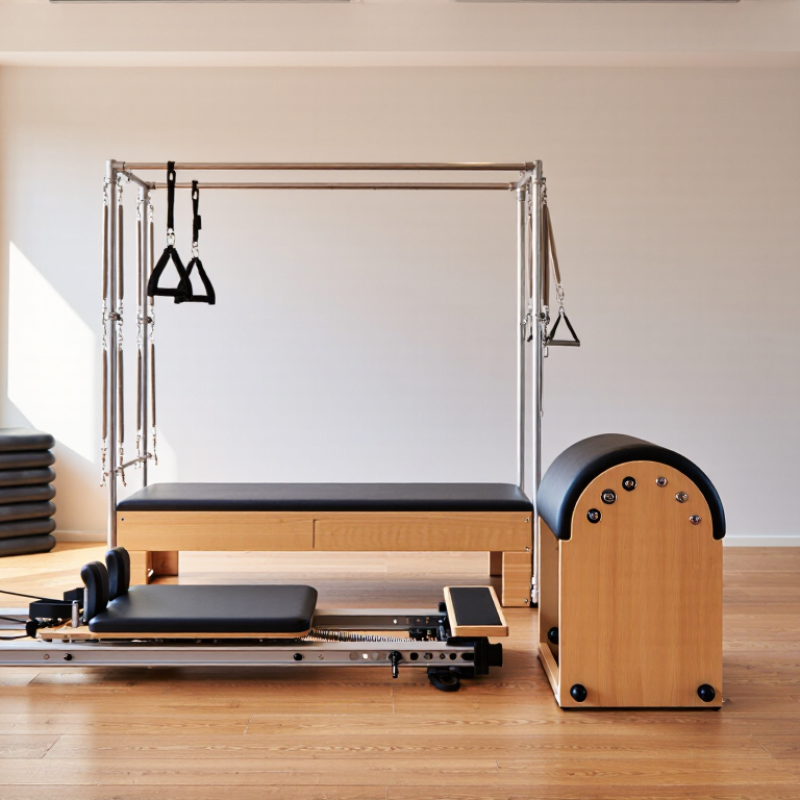
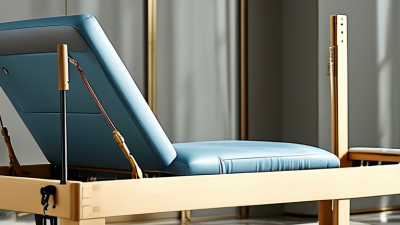
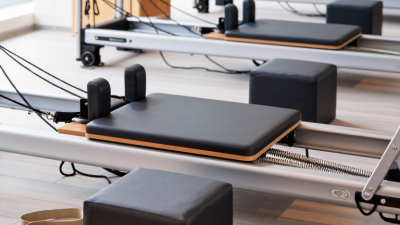
Its purpose is not to make exercise harder by default. It helps users adjust resistance, improve alignment, and repeat precise movements safely. Core categories include reformers, Pilates chairs, Cadillac or trapeze tables, barrels, mats, and small accessories. A reformer uses springs, a moving carriage, straps, and a footbar. A chair uses a compact pedal and resistance springs. Barrels support spinal extension and mobility. Mats remain essential for floor-based exercises and basic training.
Global buyers usually compare equipment by intended users, available space, construction, and maintenance needs.
A studio may need reinforced frames, replaceable upholstery, adjustable springs, and clear assembly instructions. A home buyer may value quieter movement and easy storage.
Dimensions matter more than many product pages suggest. A tall user can feel restricted on a narrow carriage. A crowded room can make a large Cadillac impractical.
Safety documentation, load guidance, warranty terms, and local electrical requirements should also be checked before purchase. More metal does not always mean better quality. That assumption needs questioning.
Tips:
Test the full range of motion before ordering. Check spring tension, stitching, padding, and moving parts. Ask for verified dimensions and user-weight limits. Compare spare-part availability and cleaning instructions. If possible, consult a qualified instructor. A low price may seem attractive, but repeated repairs can change the real cost. Also, product photos can hide awkward access around the equipment.
Pilates equipment helps instructors adapt training methods instead of repeating one routine. A reformer supports controlled resistance, sliding work, and precise footwork. A chair challenges balance with short, demanding movements. A tower adds springs for assisted stretching, spinal articulation, and upper-body strength. Mats remain essential for breathing, alignment, and body awareness. Equipment should serve the method, not dominate it.
Global buyers often compare frame stability, spring control, padding, adjustment range, and maintenance access. A rehabilitation studio may need gentle resistance and clear height settings. A performance facility may prefer stronger components and faster transitions between exercises. Experienced coaches also check whether the carriage moves quietly and stays level. Small details matter. A loose strap can change a client’s confidence. A heavier frame is not always better, and I have sometimes underestimated how much floor space daily use requires.
Tips: Match equipment with the users’ training goals, room size, and coaching style. Request load ratings, material details, assembly instructions, and warranty terms before purchasing. Test several resistance levels when possible. Check cleaning points, spring replacement procedures, and adjustment safety. Ask whether spare parts are realistically available in your market. Imported equipment may look economical, but shipping damage and delayed service can change the final cost. Review local safety requirements, too. They are easy to overlook.
| Equipment Type | Primary Training Methods | Main Training Benefits | Typical Users | Space Requirement | Key Global Buying Criteria | Maintenance Level |
|---|---|---|---|---|---|---|
| Reformer | Resistance training Rehabilitation Mobility | Supports controlled pushing and pulling movements through springs, a moving carriage, straps and a footbar. It can train strength, balance, flexibility and coordination. | Beginners, experienced practitioners, rehabilitation clients and professional studios. | Requires a dedicated floor area with sufficient clearance around the frame and moving carriage. | Frame stability, spring quality, carriage smoothness, adjustment range, load capacity, safety features and replacement-part availability. | Moderate |
| Cadillac / Trapeze Table | Assisted stretching Rehabilitation Advanced control | Provides a stable platform and multiple attachment points for exercises involving suspension, resistance, spinal mobility and supported movement. | Rehabilitation facilities, advanced users, instructors and studios offering individualized sessions. | Needs a large, unobstructed training zone because of its tall frame and multiple movement directions. | Frame rigidity, bar alignment, padding quality, attachment security, height clearance and installation requirements. | Moderate |
| Pilates Chair | Strength Balance Functional training | Uses a spring-loaded pedal to challenge unilateral strength, core stability, balance and controlled weight transfer. | Intermediate and advanced users, compact studios and personal training spaces. | Compact footprint, but clear space is needed around the chair for standing and lateral exercises. | Pedal stability, spring adjustment, non-slip surfaces, frame durability and user weight capacity. | Low to Moderate |
| Ladder Barrel | Spinal mobility Stretching Postural work | Supports extension, lateral flexion, spinal articulation and flexibility exercises using a curved padded barrel and ladder. | Users seeking mobility and posture training, instructors and rehabilitation-oriented studios. | Moderate footprint with additional clearance required for climbing, stretching and side-bending movements. | Barrel curvature, padding density, ladder strength, surface finish, stability and safe weight support. | Low |
| Spine Corrector | Posture training Core control Mobility | Encourages spinal articulation, thoracic opening, abdominal control and gentle extension in a compact format. | Home users, beginners, mobility-focused practitioners and physical therapy environments. | Small footprint and easy storage; sufficient surrounding space is still needed for floor exercises. | Structural stability, ergonomic curvature, edge finishing, padding comfort and surface cleanability. | Low |
| Wunda-Style Chair | Functional strength Balance Small-group training | Delivers spring resistance in a compact unit for lower-body strength, shoulder stability, core control and balance challenges. | Home users, boutique studios, instructors and users with limited floor space. | Compact equipment with a relatively small storage footprint and moderate movement clearance. | Spring consistency, pedal control, anti-slip feet, frame strength, noise level and adjustment simplicity. | Low to Moderate |
| Magic Circle | Mat Pilates Muscle activation Travel training | Adds light resistance between or outside the limbs to increase awareness and activation of the inner thighs, arms, chest and core. | Beginners, home users, group-class participants and travelers. | Minimal space requirement and easy to store or transport. | Even resistance, comfortable grip pads, ring durability, material safety and resistance level. | Very Low |
| Pilates Barrel | Flexibility Spinal extension Balance | Provides curved support for back extension, abdominal exercises, lateral movement and flexibility work. | Intermediate users, instructors, mobility programs and rehabilitation-focused facilities. | Moderate floor area with additional room for mounting, stretching and controlled transitions. | Curvature, stability, padding, surface durability, ease of cleaning and user comfort. | Low |
| Mat and Small Props | Mat Pilates Beginner training Group classes | Supports foundational breathing, alignment, core stabilization, mobility and bodyweight conditioning. | All experience levels, homes, fitness centers, schools and group studios. | Equipment is easy to store; the main requirement is adequate personal exercise space. | Mat thickness, cushioning, grip, odor resistance, cleaning convenience and prop durability. | Very Low |
| Tower Attachment System | Resistance training Suspension Progressive exercise | Adds springs, bars and straps to a wall-mounted or reformer-based setup for supported strength, mobility and coordination exercises. | Professional studios, rehabilitation providers and experienced home users with suitable installation conditions. | Requires wall or frame installation, vertical clearance and a safe area for spring-assisted movement. | Mounting strength, spring reliability, attachment security, adjustment range, installation instructions and user safety. | Moderate |
Note: Space requirements and maintenance levels are general purchasing indicators. Actual suitability depends on equipment dimensions, user requirements, installation conditions, cleaning procedures and local safety standards.
Global buyers compare Pilates equipment by measurable features, not appearance alone.
The Global Wellness Institute reported that the physical activity economy reached about US$1.1 trillion in 2022. That growth increases demand for reliable studio and home equipment. Yet market size does not prove product quality. Buyers should check frame stability, load capacity, spring resistance, and adjustment range. A heavier frame is not automatically safer.
Dimensions matter in real rooms.
Measure doorways, ceiling height, storage space, and user clearance before ordering. For international purchases, confirm voltage requirements for powered accessories, packaging strength, spare-part availability, and delivery terms. ISO 20957-1 can provide a useful safety reference where applicable, but buyers should request product-specific test documents. Look for clear instructions, maintenance intervals, warranty conditions, and traceable materials. Small details matter.
According to the American College of Sports Medicine’s 2024 fitness trends report, wearable technology remains a leading industry trend.
This suggests growing interest in measurable training, but Pilates equipment still needs practical feedback. Buyers can compare carriage smoothness, noise, footbar stability, and rope alignment during repeated use. Test several body sizes if possible. A common mistake is choosing maximum adjustability without checking adjustment speed. Too many settings can slow a busy studio. The best choice is not always the most advanced one. Procurement decisions should combine trainer experience, user comfort, independent documentation, and realistic maintenance costs. Some comparisons remain imperfect, especially when suppliers publish different testing methods.
Pilates equipment includes reformers, towers, chairs, barrels, mats, and small resistance tools. Global Wellness Institute data valued the wellness economy at $6.3 trillion in 2023. WHO also reports that 31% of adults worldwide remain insufficiently active. This demand encourages more equipment purchases, but appearance alone cannot prove quality.
Experienced buyers inspect welds, frame alignment, spring tension, rope stitching, and carriage movement. Test the movement. They check whether the machine stays stable during fast transitions. Anti-slip feet, rounded edges, guarded springs, and clear load limits matter in daily studio use. ISO 20957-1 can support safety evaluation for stationary training equipment, where applicable. Buyers should request test reports, material details, factory inspection records, and traceable serial numbers. Ask for evidence.
Certification requires careful reading. A CE mark, for example, is not automatically a universal quality certificate. Requirements vary by destination, product design, and declared use. Reliable suppliers explain which standards apply and provide current technical files, user manuals, and maintenance schedules. Packaging should protect corners, moving parts, and moisture-sensitive components during long transport. No checklist is perfect. Even experienced buyers can overlook noise, spring fatigue, or poor replacement-part support. A polished finish may hide weak internal construction, so independent sampling and pre-shipment inspection remain worthwhile.
This editorial benchmark shows how international buyers commonly prioritize Pilates equipment during supplier evaluation. Safety testing, structural durability, and certification documentation usually receive the greatest attention, followed by adjustability, user comfort, and after-sales support. The percentages represent evaluation weights rather than company, brand, or market-share data.
Global buyers usually begin with cost, but the cheapest quote rarely shows the complete investment. Equipment price should be compared with materials, safety testing, warranty coverage, spare parts, and expected service life. A reformer may look affordable until replacement springs or damaged upholstery create extra costs. Buyers should request a detailed quotation with packaging, payment terms, and inspection requirements. Customization also matters. Adjustable platforms, different frame finishes, and tailored dimensions can support studios with unusual spaces or client needs. However, every modification can affect production time and maintenance. More options are not always better.
Shipping requires practical planning. Ask about product dimensions, packed weight, loading methods, and delivery responsibilities before ordering. A wooden frame may arrive safely, while loose accessories can disappear inside poor packaging. International buyers should confirm documents, import duties, and local installation arrangements. These details vary by destination. After-sales support is equally important. A reliable supplier should provide assembly instructions, troubleshooting guidance, replacement-part availability, and a clear response process. In my experience, written support promises are useful, but actual response speed can still disappoint. Buyers should test communication before placing a large order.
Tips: Request videos of assembly and packaging. Compare landed cost, not unit price. Check warranty exclusions carefully. Keep photos during inspection. Also, leave space for honest doubt; a polished catalogue cannot prove long-term durability.